
Originally published January 26, 2026. Updated September 2026 with a summary, next steps and answers to common questions.
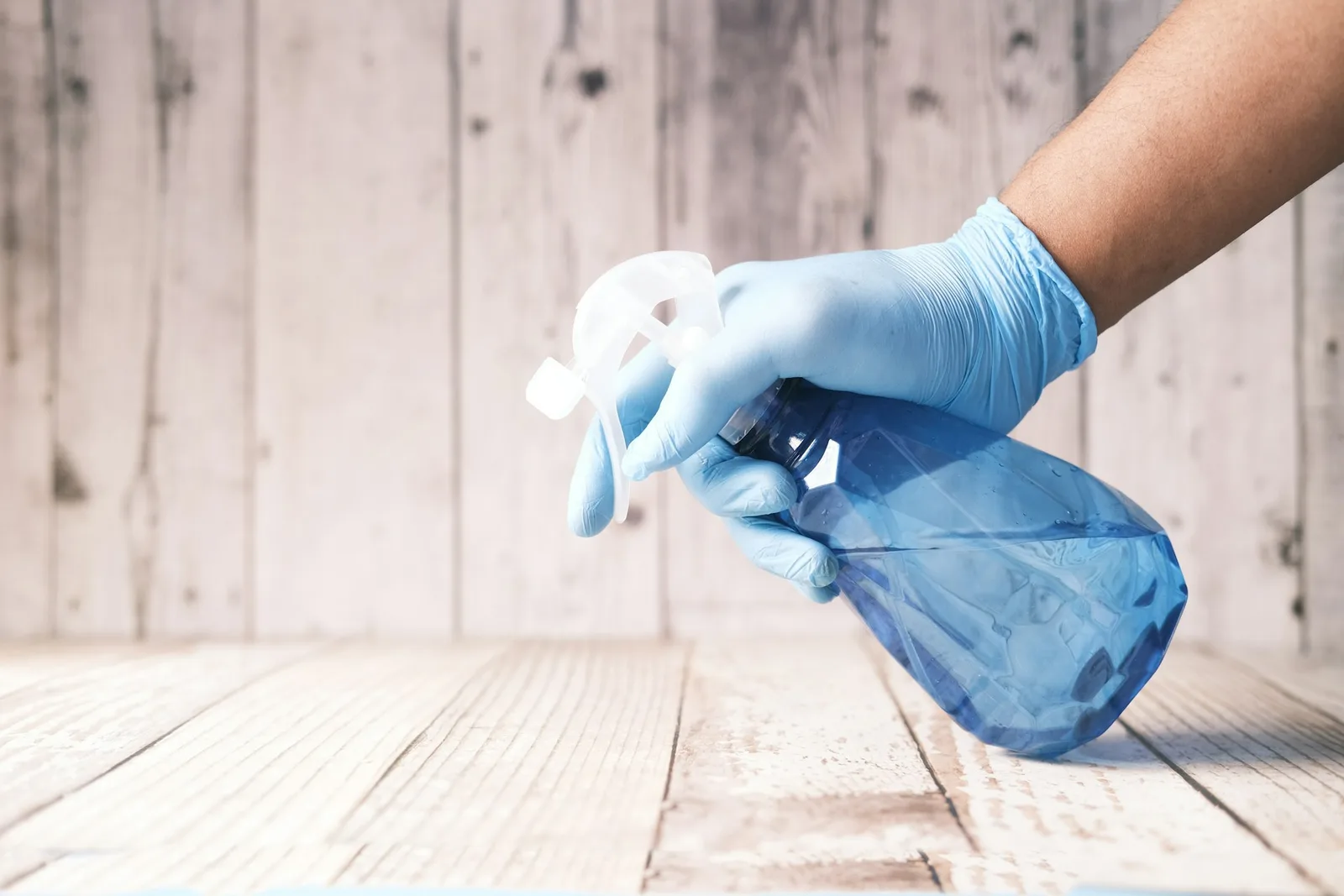
Many homeowners wonder exactly what should you not clean with hydrogen peroxide when scrubbing their rooms. This common liquid sits in almost every pantry and is often included in a DIY disinfectant spray, but it can quietly ruin expensive finishes and delicate surfaces if used incorrectly. You must understand how this powerful oxidizer behaves on different materials to avoid discoloration, weakening, or permanent damage. Knowing its limitations helps prevent costly mistakes and keeps your home looking pristine-making it essential to understand the things you should never clean with hydrogen peroxide before you start.
Understanding the “Brown Bottle”: Why You Shouldn’t Clean With Hydrogen Peroxide on Every Surface
That familiar brown bottle for cuts and scrapes sits in your medicine cabinet. This simple liquid offers surprising power for your home tasks. Hydrogen peroxide comes in different strengths for household use. You must, however, handle it carefully to avoid surface damage. This heavy hitter cleaner requires specific knowledge before you even begin.
This liquid has an extra oxygen molecule that creates its cleaning strength. Science explains that hydrogen peroxide is water with a little bit more power. This chemical is specialized for cleaning specific messes effectively. It reacts quickly, therefore, you should watch it closely. Most people ignore the chemical reality of this common disinfectant on every surface.
Protect Your Investment: Why You Should Never Clean with Hydrogen Peroxide on Natural Stone
Look at your beautiful countertops today! You likely spent thousands on high-end natural stone for your kitchen. This material requires gentle care to stay vibrant. Applying hydrogen peroxide to these surfaces causes serious trouble. The chemical reaction, unfortunately, can damage delicate materials quite quickly. You should never clean your stones with this strong liquid.
High-quality stone usually features a protective finish. This liquid can break down the sealant on your surfaces. The stone becomes porous and vulnerable to every spill. It will, consequently, absorb liquids and permanent stains easily. We must protect these expensive materials from such aggressive chemicals. You should, instead, stick to cleaners that are safe for stone.
Why You Should Not Clean Granite and Marble With This Oxidizer
Look at your stunning kitchen granite right now. This heavy stone looks tough but reacts to chemicals. Hydrogen peroxide breaks the bonds on the stone surface easily. This process, specifically, creates a dull appearance on the finish. Your countertops will lose their shine if you ignore this warning. Keep the oxidizer away from your beautiful marble too.
Many homeowners mistakenly use this for a tough stain. Marble is especially soft and very prone to scratches. This chemical will etch the surface almost immediately. You should, therefore, use a ph-neutral cleaner for these stones. This method ensures your home remains beautiful and bright for years. Use hydrogen peroxide only on white tile instead.
Metal Surfaces: Avoiding Tarnish and Rapid Oxidation
Metal objects in your home face unique risks. Hydrogen peroxide reacts with copper and brass very quickly. This interaction causes the metal to tarnish almost instantly. It will, in fact, oxidize the surface and ruin the glow. You should never clean your decorative items with this strong chemical. Keep your metals bright by using the right specialized solutions.
Look at your silver and fine stainless steel cookware. This liquid is corrosive when it hits certain alloys. It can even cause rust spots on some items. This reaction happens because it’s corrosive to many household metals. You must, therefore, protect your hardware from this harsh liquid. Peroxide is used carefully to avoid a pit in metal.
Electronics: Why Your High-Tech Gear and Peroxide Don’t Mix
Stop and think about your expensive electronics! Your smartphone and laptop screens have special protective coatings. This chemical can break down the protective layers incredibly fast. It will, eventually, make the screen look blurry and damaged. You should use a microfiber cloth and rubbing alcohol instead. This simple switch saves your screens from permanent and costly damage.
Liquids can easily seep into your device’s interior. This harsh solution will harm metal components inside the case. It can specifically destroy delicate circuit boards very quickly. You must avoid applying hydrogen peroxide to any electronic devices. These items require a specialized cleaner to function correctly. Protect your tech by choosing safe and effective cleaning methods.
Protecting the Finish: Why You Should Never Clean With Hydrogen Peroxide on Your Cabinet
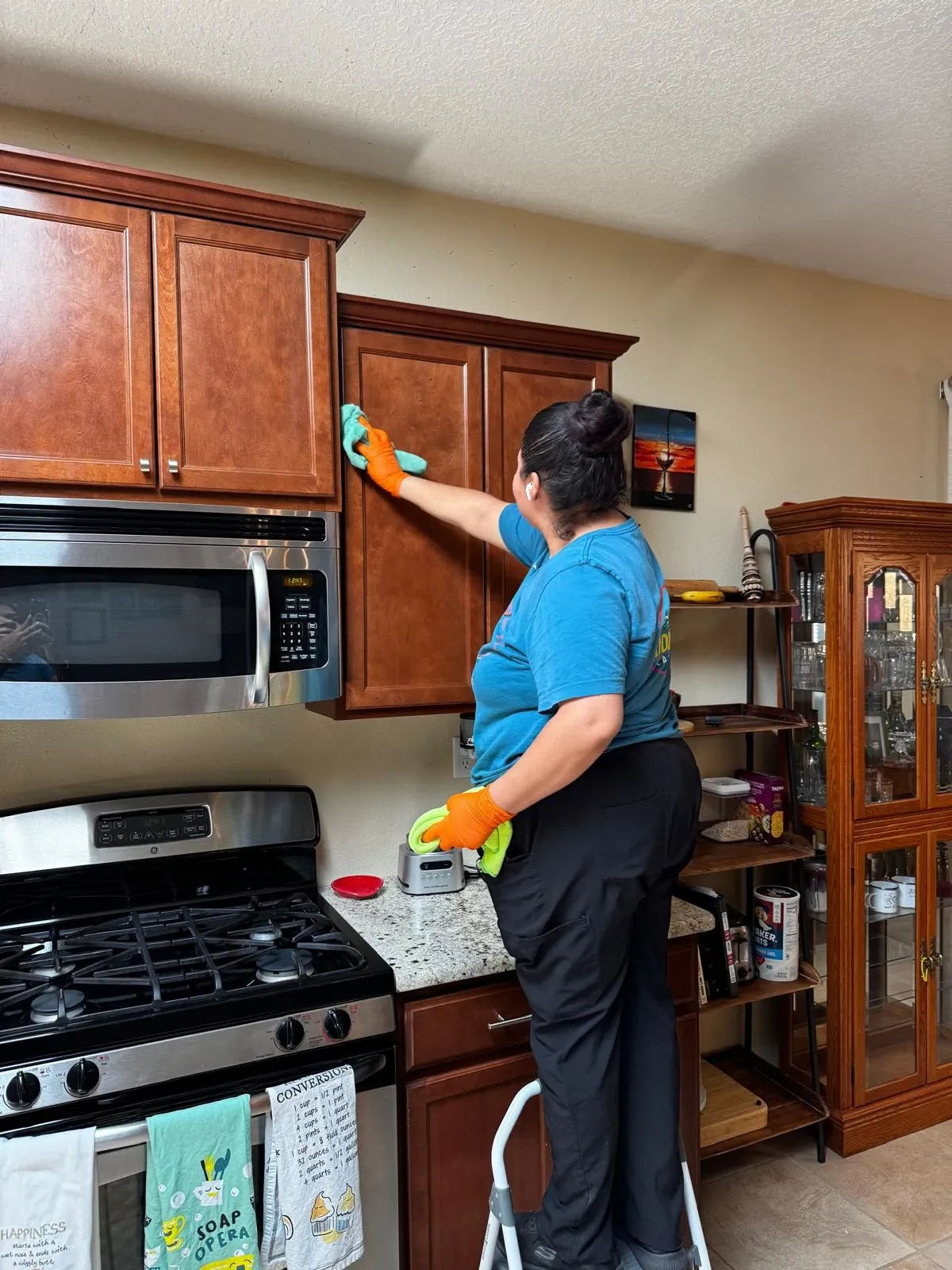
Look at the finish on your kitchen cabinet. This wood surface has a beautiful stain and sealant. Hydrogen peroxide’s chemical nature acts like a mild bleach. It will, unfortunately, create a cloudy appearance on the wood. You should avoid this to keep your kitchen looking professional. This chemical can truly ruin the aesthetic of your home.
Painted surfaces also suffer from this strong liquid. It can scuff or lift the paint layer. This process results in a very cloudy and uneven look. You should, therefore, use a soap-based cleaner for your cabinets. This gentle approach prevents cloudiness and keeps wood healthy. It prevents the liquid from leaving wood dull and damaged forever.
Leather Furniture: Preventing Cracks and Dehydration
Your leather furniture brings luxury to your living room. Leather is a natural material that needs hydration. This harsh chemical strips the essential oils in leather. It will, as a result, cause the surface to crack. You must avoid this to keep your chairs comfortable. This liquid is too aggressive for these delicate organic materials.
Proper care involves using a mild leather soap. This liquid can also discolor the leather permanently. This damage happens because the peroxide acts as a bleach. You should, instead, test a small inconspicuous area first. This step ensures that your cleaning method is actually safe. Keep your leather soft by avoiding these dangerous household chemicals.
Testing Upholstery and Delicate Fabrics Before Disinfecting
Cleaning pros warn about using peroxide on your upholstery. This liquid can lift the color from the fabric. Imagine ruining your expensive sofa’s throw pillow by mistake. Using a throw pillow as a test, it will, likely, leave a white mark. You must be careful when you want to disinfect fabrics. This chemical behaves differently on every type of material.
Check your rug or carpet before applying any liquid. You should always test a small area first. This method reveals if the chemical causes any discoloration. You should, essentially, protect your textiles from this harsh bleach. Stick to a dedicated carpet cleaner for the best results. This ensures your home stays colorful and perfectly clean always.
Safety First: Why You Should Always Wear Gloves When Using Peroxide
Listen to this very important safety advice! You must wear gloves when you handle this liquid. Even a 3 percent solution can irritate your skin. It will, frequently, cause white spots on your fingers. You should protect your hands from this strong oxidizer. This simple precaution keeps you safe while you clean your home.
Proper ventilation also plays a critical role here. This liquid breaks down quickly when you use it. This process happens even faster with exposure to light. You should, therefore, open a window for fresh air. This habit prevents any irritation to your lungs or eyes. Keep your cleaning routine safe for everyone in your house.
The Hidden Danger: Never Mix Peroxide with Vinegar or Bleach
Stop! You should never mix hydrogen peroxide with vinegar. This combination creates peracetic acid, which is extremely dangerous. It can hurt your lungs and skin instantly. This reaction, unfortunately, produces toxic fumes in your home. You must avoid this cocktail at all costs today. This mistake could lead to a serious medical emergency soon.
Mixing it with regular bleach is also very bad. This creates an explosion hazard or toxic gas. You should stick to cleaners that are safe for families. This choice, essentially, keeps your family safe and healthy. You can add baking soda for a safe boost. Always handle these chemicals with care and read every label first.
Choosing the Right Disinfectant for a Healthy, Eco-Friendly Home
We all want a home that is safe. Cleaning pros say that knowledge is your best tool. You can use peroxide on some items, like tile. It is also good for a white porcelain sink. However, you must be careful with every surface. This ensures that you are protecting those items properly today.
Finding the right tool for the job matters. You should choose products that are effective yet gentle. There are 6 surprising items you should never clean. This list includes your favorite wood and metal pieces. You should, definitely, consider a professional cleaner for your home. This path leads to a cleaner and happier living space.
Experience the Sandia Green Clean Difference: Professional Care for Your Albuquerque Home
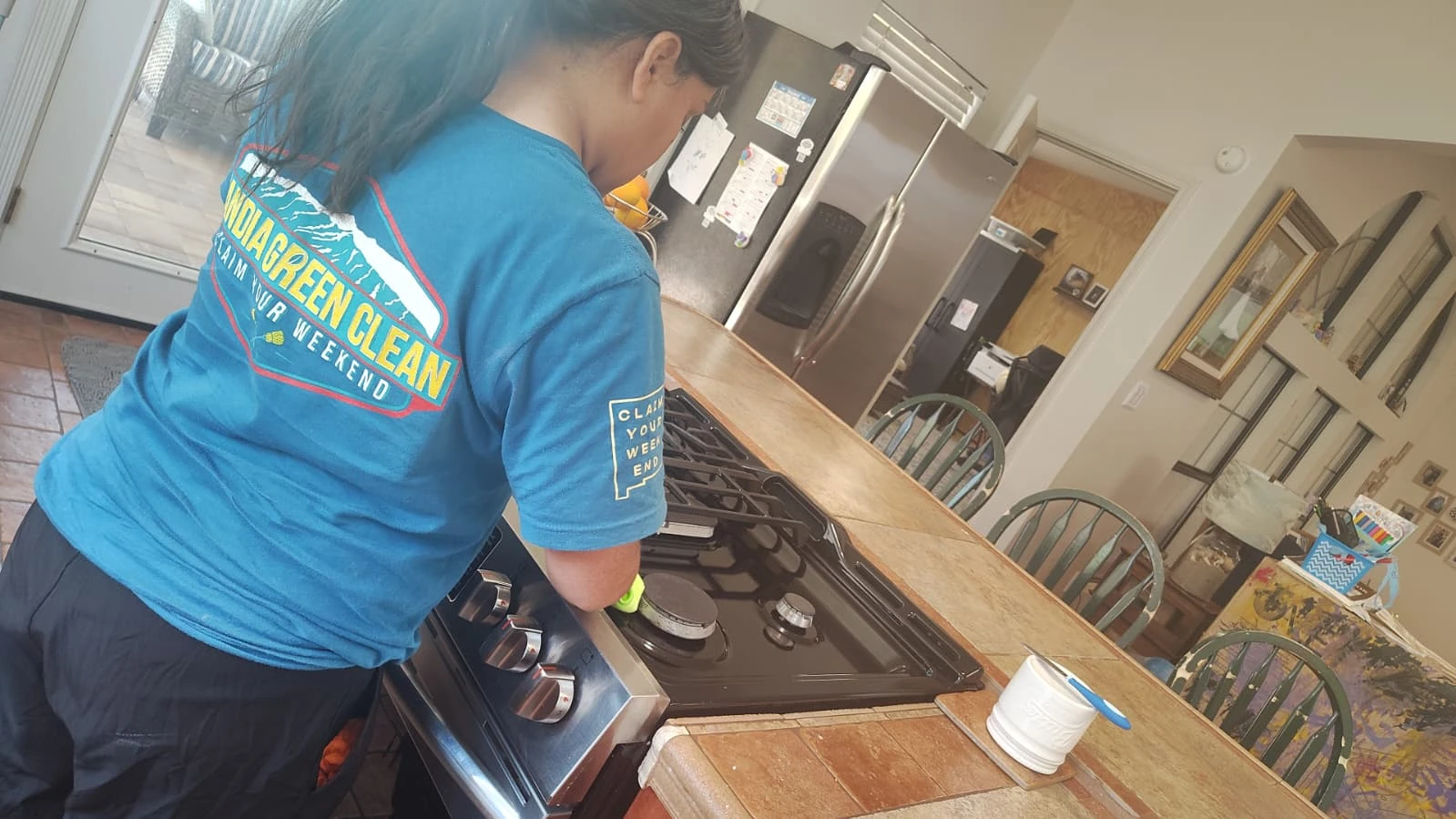
Sandia Green Clean is an award-winning house-cleaning company. We serve the Albuquerque area with premium green services. Our team uses safe products to protect your home. We feature the Breezy Blue disinfecting technology for safety. This system, specifically, sanitizes your air and surfaces effectively. You can trust our highly trained, professional cleaning team.
We offer a famous “Happy Home Promise” to you. Love every inch of your clean or it’s free. Our company supports local charities and New Mexico families. We provide, consequently, true peace of mind for every homeowner. Schedule your premium house cleaning service today with us. Experience the best results with our award-winning cleaning experts.