
Originally published December 29, 2025. Updated September 2026 with a summary, next steps and answers to common questions.
Choosing cleaning products to avoid while pregnant can feel overwhelming amid endless advice and loud labels. During pregnancy, everyday cleaning choices suddenly matter more, not less, leading some families to reconsider do-it-yourself routines or turn to professional house cleaning services for added peace of mind. This guide explains what to skip, what works better, and how to protect your home, your growing baby, and your peace of mind.
Why Cleaning Product Exposure Matters During Pregnancy
A single cleaning product can release chemicals you never notice until pregnancy sharpens awareness. Your body processes substances differently now, and exposure can happen fast. Even mild fumes linger longer indoors, and they don’t ask permission. As a result, household routines deserve closer attention.
Those exposures during pregnancy may pass through the placenta and reach the unborn. While not every cleaner causes harm, repeated contact can increase the risk of complications. Research shows prenatal exposure to certain substances links to respiratory irritation, asthma, or worse. Therefore, minimizing exposure matters.
Understanding Chemical Exposure and Its Effects on Pregnant or Breastfeeding Families
Chemical exposure doesn’t require spills or accidents. It happens when you inhale fumes, absorb residues, or touch treated surfaces. Household chemicals often enter the body quietly. Over time, exposure to chemicals can affect lung function and overall prenatal health.
For those who breastfeed, chemicals don’t always stop at birth. Some compounds store in fat and pass through milk. Pregnant or breastfeeding families should remain cautious, because the unborn babies and newborns cannot detoxify efficiently. Consequently, prevention remains the smartest move.
Common Household Products to Avoid While Pregnant
Many cleaning products look harmless but hide strong chemicals. Household products to avoid often include degreasers, polishes, and fragranced sprays. These items may contain toxic substances linked to birth defects or miscarriage. Labels rarely tell the whole story.
Products like oven cleaners and drain treatments raise concern immediately. However, many cleaning products marketed as “extra strength” also deserve scrutiny. The environmental working group often flags these formulas. Therefore, understanding what sits under your sink becomes essential.
Cleaning Products to Avoid During Pregnancy That Contain Bleach
Bleach remains common, effective, and problematic. While it disinfects quickly, bleach releases a sharp fume that irritates respiratory systems. When mixed accidentally, it creates dangerous gases. Consequently, bleach belongs on the list of cleaning products to avoid during pregnancy.
Frequent bleach exposure may increase the risk of asthma and lung problems. Some studies link heavy use to increased risk of asthma in children. For disinfectant needs, safer alternatives exist. Therefore, avoid using bleach unless absolutely necessary and with strict ventilation.
Aerosol Cleaner Products to Avoid While Pregnant
Aerosol sprays deliver chemicals deep into the lungs. Spray and aerosol particles stay airborne longer than liquids. That makes it easier to inhale substances you never intended to breathe. Aerosol use can also trigger wheeze or asthma symptoms.
This cleaner format magnifies exposure because fine particles spread across rooms. Air fresheners often fall into this category as well. During cleaning while pregnant, switching to pump sprays or wipes reduces risk. Thus, avoiding aerosol products makes sense.
Phthalates and Fragrances: Household Products to Avoid
Fragrance often signals phthalate content, even when labels stay vague. Phthalate compounds help scents last longer but disrupt hormones. Studies connect them to decreased male fertility and prenatal exposure concerns. That’s not a gamble worth taking.
Phthalate exposure may also affect the growing baby’s development. Many household products hide fragrance under “parfum.” Products labeled “fresh” or “clean” still qualify. Therefore, fragrance-free remains the safer choice for household cleaning products.
Other Cleaning Products to Avoid That Increase Exposure to Chemicals
Some cleaners rely on sodium hydroxide or quaternary ammonium compounds. These chemicals that may damage skin and lungs. Fumes from strong formulas irritate respiratory tissue quickly. Over time, chemical exposure compounds.
Oven cleaners stand out as especially harsh. They often contain listed as 2-butoxyethanol, associated with miscarriage. Using many cleaning products together multiplies exposure. Consequently, reducing products to avoid while pregnant lowers cumulative risk.
Pregnancy Safe Cleaning Products That Are Safe to Use
Pregnancy safe cleaning products focus on simple formulas and transparency. Natural products often use baking soda, vinegar, or plant-based surfactants. These options clean effectively without overwhelming fumes. They are usually safe when directions are followed.
Essential oils appear in some formulas but require caution. While natural, they remain concentrated. Products are safe to use when fragrance levels stay minimal. Therefore, moderation matters even with green cleaners.
How to Know Which Cleaning Products Are Safe to Use
Knowing which products are safe takes practice. Look for products labeled clearly, with full ingredient lists. Certifications help, but simplicity helps more. Fewer ingredients usually signal fewer risks.
Products are safe when they avoid strong chemicals and heavy fragrance. An all-purpose cleaner with mild ingredients often replaces several harsher options. That reduces clutter and exposure. Therefore, smarter choices simplify household cleaning.
Practical Tips to Reduce Your Exposure While Pregnant or Breastfeeding
Simple habits reduce your exposure significantly. Open the windows before you’re cleaning and ventilate each room. Keep spaces well ventilated throughout the process. Fresh air limits fume buildup quickly.
Wear gloves during contact cleaning, and avoid using multiple products together. Never inhale directly from a bottle. This way to avoid unnecessary exposure protects both pregnant women and the unborn. These practical tips add real protection.
Safely Dispose of Cleaning Products You No Longer Use
Old cleaners deserve proper disposal. Do not pour them down drains or mix leftovers. Safely dispose of unwanted products through local hazardous waste programs. Albuquerque offers community options for this.
Proper disposal prevents environmental contamination and household accidents. Products may leak or react over time. Removing them helps ensure the safety of your home. It also supports community health.
Safe Cleaning, Peace of Mind, and Professional Help When You Need It
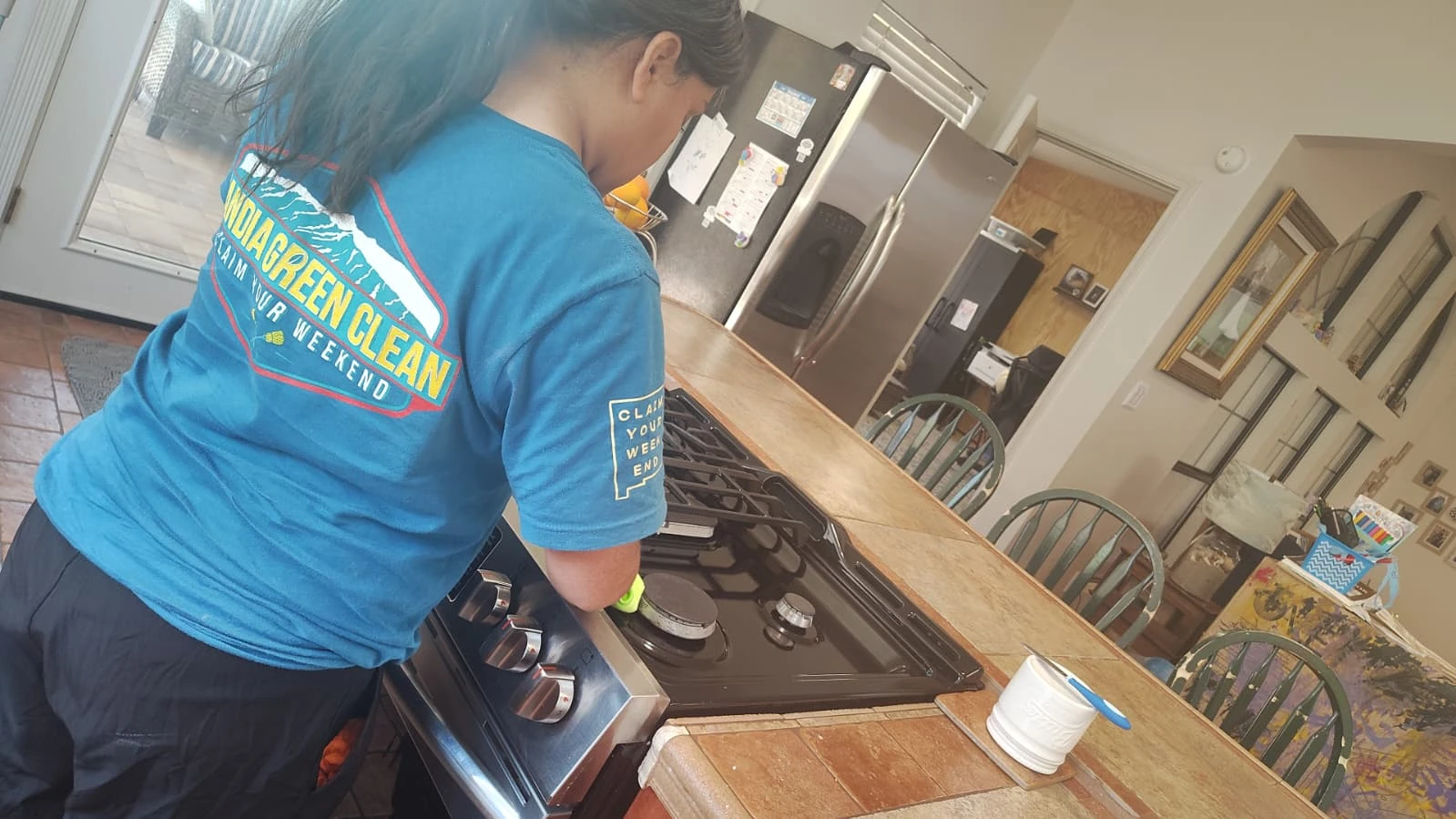
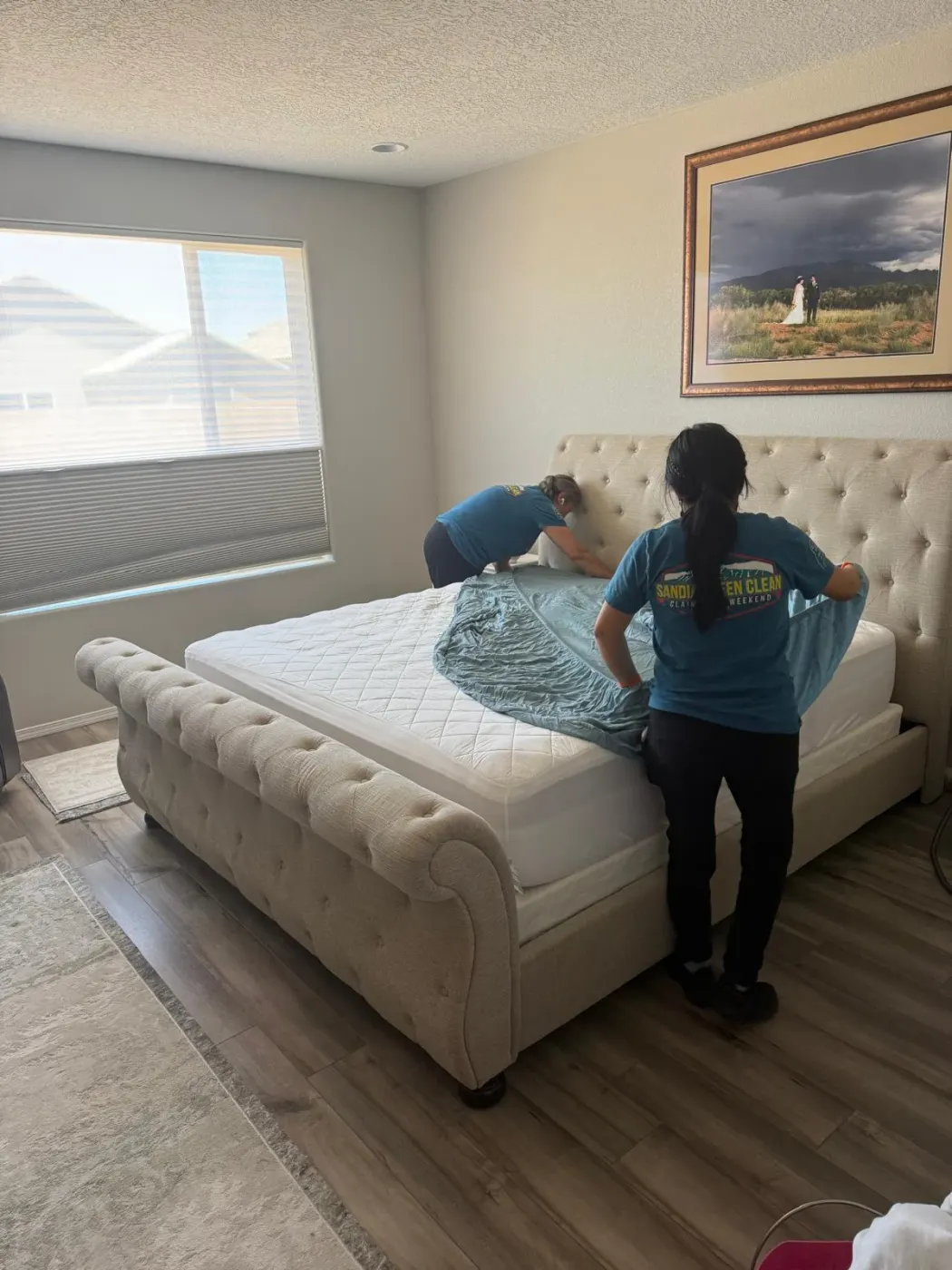
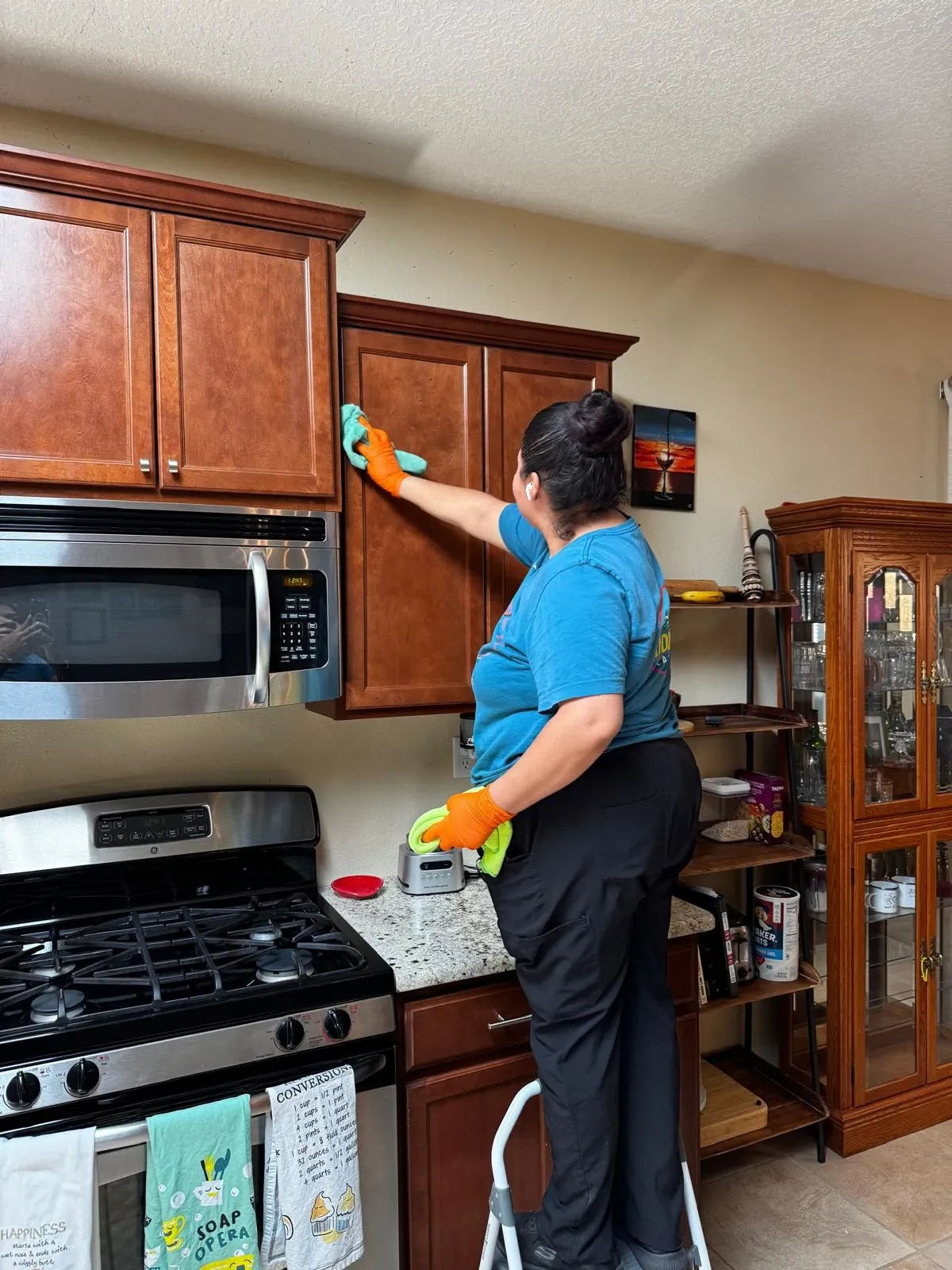
Sometimes, the safest option means stepping back. At Sandia Green Clean, we use pregnancy safe cleaning products and trained teams. We clean using safe cleaning methods designed to protect families. Our approach reduces exposure without sacrificing results.
We serve Albuquerque homes with care, consistency, and pride. Our Happy Home Promise means you love every inch, or it’s free. When you want cleaning products are safe without lifting a finger, we’re here. Contact us today to get a free quote!