Signs of Carpet Beetles in Your Home: How to Identify Carpet Beetle Activity Early

Feb 9, 2026

Most homeowners in sunny Albuquerque eventually notice carpet beetles hiding in dark corners, often before realizing the extent of the problem. These small pests thrive in our high-desert climate and quietly target textiles and organic debris with relentless focus. Consequently, early detection is critical to protecting your rugs, furniture, and overall indoor environment. Pairing quick action with professional cleaning services can significantly reduce the risk of long-term damage by removing attractants and disrupting infestations before they spread. As you continue, learn the key warning signs that reveal carpet beetle activity early, so you can safeguard your home before lasting harm occurs.

What Are Carpet Beetles and Why Are They in Your Home?

Carpet beetles are small insects that often hitchhike inside. You might encounter the varied carpet beetle or the black carpet beetle beetle species. These carpet beetles can fly through open windows during the spring. Indeed, carpet beetles are tiny and hard to see. They eventually find shelter in your dark home storage closets often.

These pests enter because they desire specific food sources. Adult carpet beetles feed on pollen and nectar while outdoors. However, carpet beetles can enter your interior to find natural fiber. Your interior provides a perfect environment for their offspring. Therefore, carpet beetles into your home seek out many safe nesting spots.

Adult carpet beetles feed on hair, lint, and wool. They can damage to your home if left alone. However, carpet beetles are small and move very quickly. They hide in cracks and crevices throughout your living space. Thus, adult carpet beetle types can survive for a very long time.

Common Signs of Carpet Beetles You Should Watch For

Identifying the common signs of carpet beetles requires a sharp eye. Look for tiny, beetle-like insects crawling near windowsills or lamps. These beetles are often the first visible warning of a problem. Furthermore, carpet beetles are often found in clusters around light sources. These subtle clues suggest a growing population near your rugs.

You should look for damaged items in storage areas. Check the edges of your area rugs for thinning fibers. This damage occurs because the larva are eating the material. Consequently, finding these patches is a sign of a carpet beetle. Stay vigilant to protect your investment in high-quality home textiles today.

Look for live beetles near your baseboards or windows. Carpet beetles tend to congregate in sunlit areas during the day. However, carpet beetles are often nocturnal and hide in the dark. Finding these small pests early prevents a much larger infestation. Thus, regular inspections are vital for a healthy and clean house.

Identify Carpet Beetle Larvae and Their Habits

You must identify carpet beetle larvae to stop the cycle. These pests look like tiny, hairy caterpillars with brown stripes. They prefer to hide in dark, undisturbed places like floor vents. Additionally, carpet beetles prefer to crawl away from bright light sources. They spend their time consuming organic materials found in your house.

The larva stage is the most destructive life period. These small creatures eat constantly to prepare for their transformation. Thus, they focus on animal-based products like wool or silk. You will find them tucked under heavy furniture or inside baseboards. Indeed, identify carpet beetle activity early to save your expensive rugs.

How Carpet Beetles and Their Larvae Damage Your Fabric**

Carpet beetles and their larvae focus on destroying your valuable textiles. You will see irregular holes in your blankets or curtains. They do not eat in one straight line like moths. Instead, they graze across the surface of the fabric. Carpet beetles and larvae create large, unsightly bald patches on rugs.

Carpet beetle larvae can cause significant damage if left alone. They love to chew through natural fibers like wool and silk. In fact, carpet beetles can cause ruin to your synthetic blends too. This destruction happens silently over several weeks or months. Consequently, carpet beetles and their larvae might cause permanent and costly ruin.

You should check for damage to fabrics in your closets. These pests will eat through layers of folded clothing quickly. However, they prefer to target undisturbed items in the back. This habit makes the damage harder to find at first. Thus, your favorite wool sweaters could be at high risk.

Finding Shed Skin and Castings: A Clear Sign of a Carpet Beetle Infestation

Finding shed skin is one of the major signs of an infestation. As the larva grows, it leaves behind translucent, brown shells. Look for these castings near the baseboards or under rugs. Furthermore, you might find signs of carpet beetle infestation in storage. These husks prove that the pests are actively maturing today.

These skins often accumulate in clusters near their food source. You might mistake them for dead insect types at first glance. However, they are simply the dry remains of the growing larvae. Vacuuming these areas helps track the movement of the pest. Thus, you can identify which rooms require the most cleaning attention.

Where Do Carpet Beetles Lay Their Eggs in Your House?

Female carpet beetles lay their eggs in hidden, dark spots. They choose areas with plenty of food for their young. You will often find carpet beetle eggs deep inside floor cracks. Moreover, carpet beetles lay their eggs near the underside of furniture. These tiny eggs are white and nearly impossible to see.

One adult beetle can produce dozens of offspring in a season. They focus on lint, hair, and dust as initial meals. Therefore, carpet beetles lay their eggs near dusty corners always. This ensures the larvae survive immediately after they finally hatch. Indeed, carpet beetles lay in places where you rarely look.

Is It a Rash? Understanding Carpet Beetle Bites and Skin Irritation

Many people mistakenly complain about painful carpet beetle bites. However, carpet beetles do not bite humans or pets at all. The discomfort actually comes from the prickly hairs of the larva. These tiny bristles cause skin irritation upon direct contact. Consequently, carpet beetles don’t bite but they trigger red bumps.

These allergic reactions can feel very itchy and uncomfortable. Some individuals are more sensitive to these hairs than others. Thus, the presence of larvae can cause skin irritation often. You must remove the pests to stop the physical reaction. Indeed, carpet beetles do not bite yet they cause skin rashes.

How to Identify Carpet Beetle Activity in Natural Fiber Materials

You must identify carpet beetle activity in your natural fiber items. Check your wool coats and silk scarves for small holes. These pests love natural fibers like wool because of the keratin. In fact, carpet beetles are particularly attracted to animal-based products. Look closely at the seams where they often like to hide.

Carpet beetle larvae feed on natural fiber materials hidden in your closets. They will even consume leather or feathered items during an outbreak. Therefore, you must identify carpet and inspect these goods during cleaning. This helps you prevent further damage to your most expensive belongings. Indeed, carpet beetle activity requires constant and careful monitoring.

What Items in Your Home Attract Carpet Beetles?

Many common household objects will attract carpet beetles quite easily. They love pet hair, lint, and even dead insect remains. These materials provide a feast for the growing carpet beetle larvae. Furthermore, beetle larvae feed on natural oils and debris in rugs. You must eliminate these food sources to stay very safe.

Dry pet food and seeds can also draw them in. They find these items in pantries or under cabinets. Consequently, you should store all dry goods in sealed containers. This simple step helps protect your home from carpet beetle invasions. Indeed, beetles might enter through very small cracks to find dinner.

Ways to Prevent Carpet Beetle Infestations Through Regular Cleaning

You can prevent carpet beetle infestations with a strict routine. Frequent vacuuming removes the hair and lint they love to eat. Be sure to reach deep into the dark corners. Moreover, home from carpet debris keeps your living space fresh and safe. This proactive approach helps you keep carpet beetles away.

Washing your clothes in hot water kills any larvae. You should also steam clean your rugs and upholstered furniture. Thus, you eliminate carpet and any pests hiding within it. High temperatures are a natural enemy of these small insects. Indeed, preventing a carpet beetle infestation starts with a very thorough cleaning.

Clear out the common carpet areas where dust gathers daily. Use a high-quality vacuum to suck up every single egg. However, carpet beetles may hide in spots you miss. Beetles and larvae require constant cleaning to fully remove. Thus, a clean house is the best defense against these pests.

How to Get Rid of Carpet Beetles Using Eco-Friendly Methods

You can get rid of carpet beetles without using chemicals. Use a mixture of water and vinegar on your surfaces. This natural solution repels the adults and kills the eggs. Furthermore, you can sprinkle boric acid on your floor rugs. Indeed, you can prevent carpet and rug damage with these methods.

Sunlight is another powerful tool to eliminate carpet beetles. Take your rugs outside and let them bake in the sun. The heat and light will drive the pests away. Consequently, you can protect your home using these green techniques. Thus, you can prevent carpet beetles with simple and natural household items.

Protect Your Home from Carpet Beetles by Eliminating Food Sources

You must protect your home by removing all food sources. Sweep up pet dander and hair every single day. These organic materials are what the carpet beetle larvae feed on natural fibers. Moreover, beetles from entering your home seek out these dirty spots. This makes your house less attractive to any wandering beetles.

Store your seasonal blankets in airtight plastic storage bags. This simple barrier helps beetles from entering your favorite textiles. You should also seal any cracks in your exterior walls. Thus, home from carpet beetles stays secure and very well protected. Indeed, prevent carpet beetles from entering with a sealed and clean house.

When to Call Professional Pest Control Service for a Beetle Infestation in Your Home

You might suspect a carpet beetle infestation after seeing damage. If the population grows too large, DIY steps might fail. You should then consider a pest control service. These experts have the tools to find every single nest. Furthermore, they can provide a long-term beetle treatment plan today.

Professional pest control is necessary for deep or widespread problems. They can treat areas where carpet beetles are likely to hide. This ensures that you eliminate carpet beetles for good. Therefore, infestation in your home requires a very serious and fast response. Indeed, beetles are likely to hide where only experts can find them.

Help Deter Carpet Beetles with Sandia Green Clean’s Professional Services

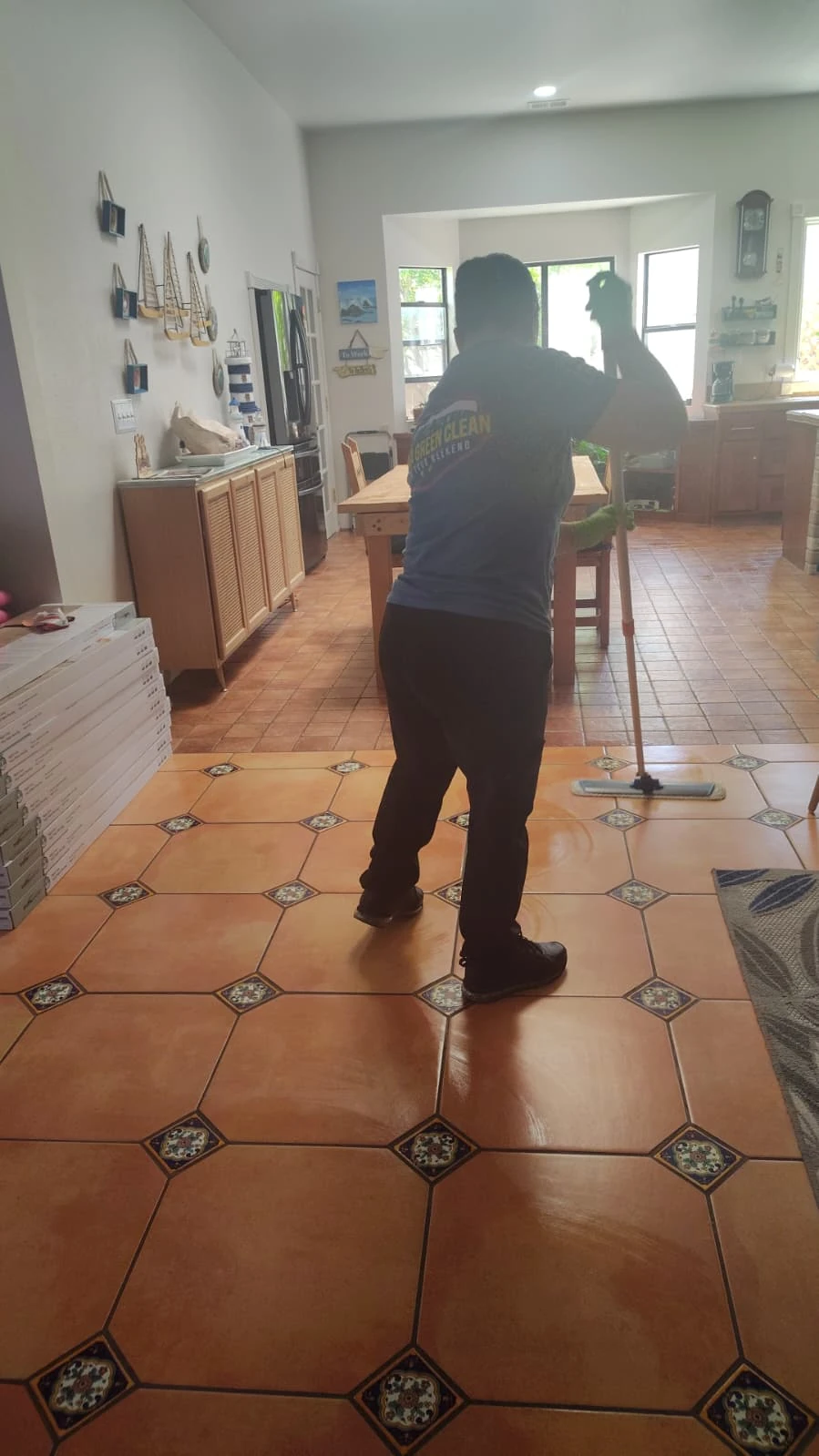
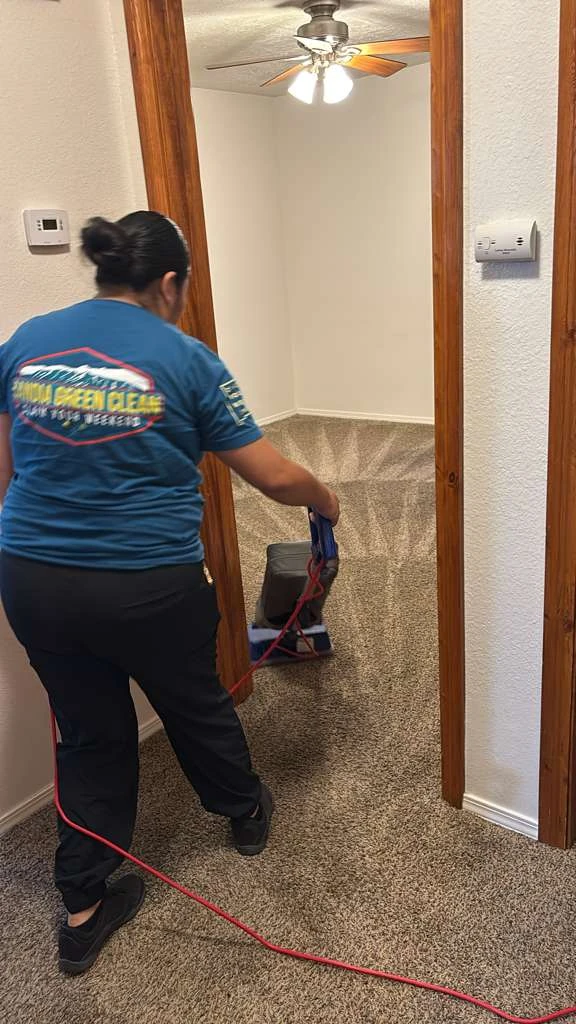
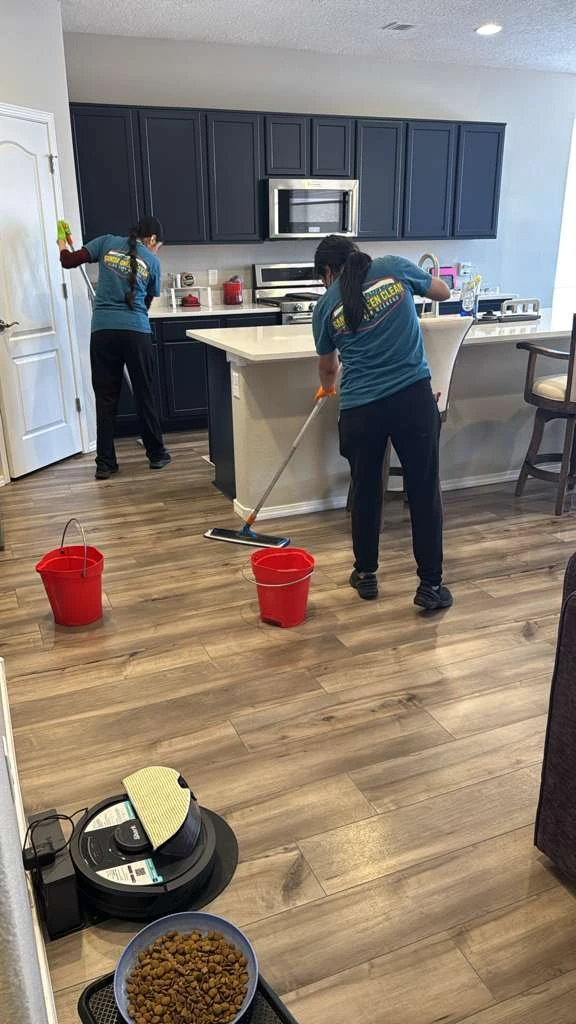
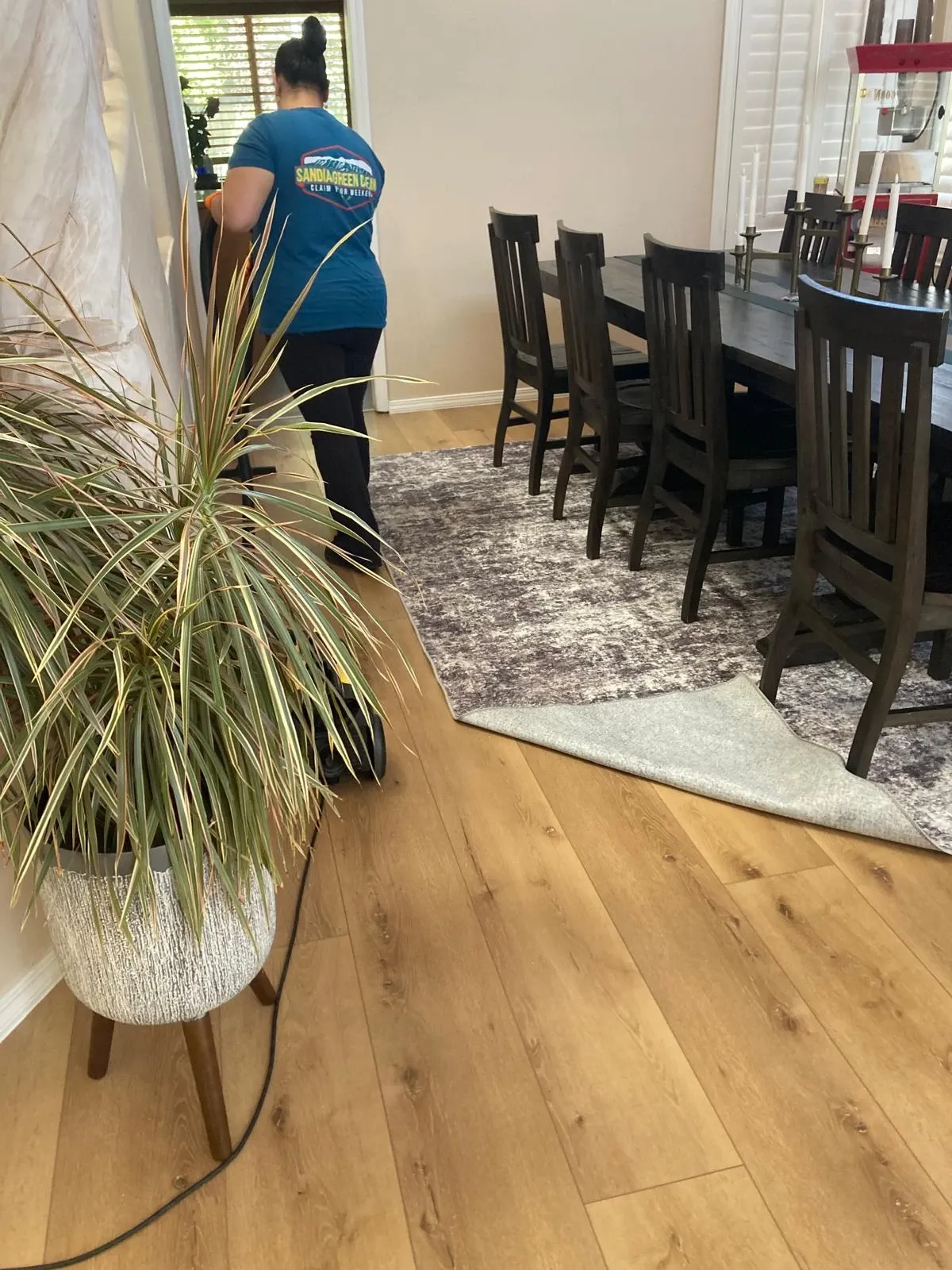
Sandia Green Clean offers the best help to deter carpet beetles. Our award-winning team uses safe, eco-friendly cleaning products every day. We remove the dust and hair that attract these pests. Moreover, we focus on the details that others often miss. You will love our famous and popular “Happy Home Promise.”

Our professional team helps you maintain a sparkling Albuquerque home. We eliminate the organic debris that fuels a beetle infestation in your home. This gives you true peace of mind and comfort. Consequently, signs of carpet beetles early mean you need our expert help. Indeed, choose Sandia Green Clean to protect your home from carpet pests. Click here to book your cleaning appointment today!

Now Serving ABQ, Santa Fe, Los Alamos & Las CrucesReserve Your Clean Here